🩸 "Took Tests During My Period" — Which Results Will Be Wrong and Which Won't
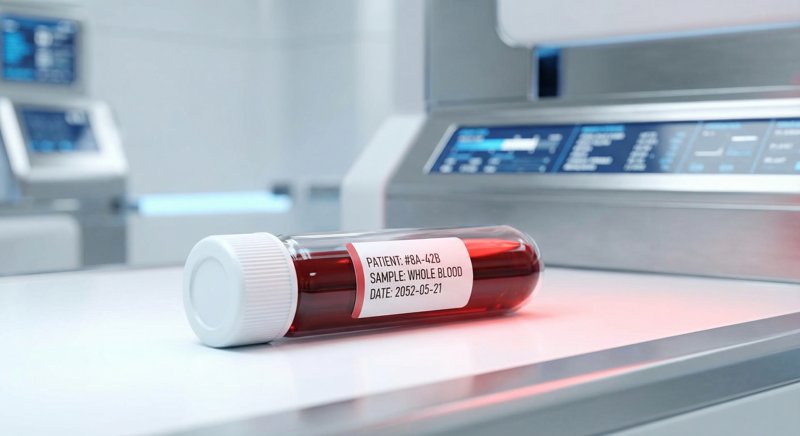
Tests During Menstruation: Which Results Will Be Distorted and Which Can Be Trusted (Detailed Breakdown Without Myths)
The situation is classic: you signed up for a doctor two weeks in advance, asked for time off from work, got up at six in the morning to make it to the laboratory, and then the body presents a surprise — the beginning of the cycle. Or another story: you donated blood, received frightening results, and then remembered that it was the third day of menstruation.
On the Internet, there is polar chaos about this. On some forums they write that “these days” the blood almost changes its chemical composition and becomes unsuitable for diagnosis. Others argue that modern equipment does not care. The truth, as is usually the case in biology, is somewhere in the middle, but with a strong bias towards physiology.
Let’s figure it out seriously. Without horror stories about “dirty blood” and without frivolous “ah, it will do”. We are the Wizey team, and we love accuracy. Today we will sort out exactly how menstruation affects laboratory indicators, when panic is premature, and when re-analysis is a strict necessity.
1. What Happens to the Body During Menstruation (From the Point of View of Biochemistry)
Short answer: Menstruation is not just local bleeding, but a systemic process affecting hemostasis, water-salt balance, and the level of inflammatory proteins. Blood viscosity, hemoglobin levels, and the concentration of some hormones change, which is naturally reflected in the results form.
If we go into details, then your body at the beginning of the cycle is experiencing a kind of “controlled disaster”. The endometrium is rejected, which is accompanied by damage to blood vessels. So that you do not bleed to death, the coagulation system (platelets and fibrinogen) is activated. At the same time, there is a small blood loss (normally 30–80 ml for the entire period), which can temporarily reduce the number of red blood cells.
In addition, the hormonal background changes: a sharp drop in progesterone and estrogen provokes fluid retention in tissues, but sometimes in the vascular bed, which can cause the effect of hemodilution (blood thinning). Therefore, when we look at tests taken during this period, we see not a pathology, but a normal physiological reaction to stress, which is menstruation. It is important to be able to distinguish this reaction from a real disease.
2. Complete Blood Count (CBC): Main Risk Zone
Short answer: In a complete blood count, changes in ESR (erythrocyte sedimentation rate), platelet levels, and hemoglobin are most likely. ESR can falsely increase, mimicking inflammation, and hemoglobin and platelets can decrease, creating a picture of anemia or clotting problems.
Why Do Indicators Change?
- ESR (Erythrocyte Sedimentation Rate): This is the most sensitive and capricious indicator. During menstruation, the protein composition of plasma changes, in particular, the level of fibrinogen increases. Red blood cells begin to stick together faster and settle more actively. A doctor who does not know about the phase of your cycle may suspect a hidden inflammatory process that does not actually exist.
- Hemoglobin and Erythrocytes: It is logical that with blood loss, their number drops. If you have heavy periods, hemoglobin levels may temporarily decrease. This is not always true anemia, but if you donate blood to monitor iron deficiency, it is better to do it in the middle of the cycle, when the volume of circulating blood is restored.
- Platelets: In the first days of the cycle, their level may slightly decrease (since they are actively spent on stopping bleeding in the uterus), and by the end — increase (compensatory reaction). Usually these fluctuations are within the normal range, but if you are on the border of reference values, the result may be misinterpreted.
- Leukocytes: A slight increase in leukocytes is also possible as a reaction to stress and pain syndrome, but it rarely reaches values characteristic of a bacterial infection.
Summary: CBC can be taken if the situation is urgent (acute appendicitis, high fever). But for a planned medical examination, it is better to wait 5–7 days from the beginning of the cycle.
3. Urinalysis: Why It’s Almost Always a Bad Idea
Short answer: Donating urine during menstruation is strongly discouraged due to the high risk of contamination (pollution) of the sample with menstrual blood and epithelium. This will lead to false detection of red blood cells and protein, which can be mistaken for signs of glomerulonephritis or urolithiasis.
Let’s be honest: even with perfect hygiene and using a tampon, it is extremely difficult to completely exclude the ingress of secretions into the jar. The laboratory assistant under the microscope will see a huge number of red blood cells. For him, there is no difference where they came from — from the kidneys, bladder, or vagina. The form will say “macrohematuria” (blood in urine).
In addition, mucus and endometrial cells can get into the sample, which will increase the protein level. Result? You may be prescribed unnecessary antibiotics or sent for unpleasant procedures like cystoscopy.
Exception: Only emergency cases when it is a matter of life and death, and urine is taken with a catheter (a medical procedure, not a home one). In all other cases — we wait for the complete end of secretions.
4. Biochemistry, Hormones, and Tumor Markers: Where Pitfalls Are Hidden
Short answer: Biochemical indicators (liver, kidneys, sugar) change slightly, but iron and the CA-125 tumor marker can give false results. Sex hormones are strictly tied to the days of the cycle, and taking them “at random” makes the analysis a meaningless waste of money.
Let’s break it down into groups:
Group “Caution, Error!”
- Serum Iron and Ferritin: Due to blood loss, indicators may be falsely underestimated. If you are treating anemia and want to check the effectiveness of drugs, take the analysis 5–7 days after the end of menstruation.
- Tumor Marker CA-125: This is a marker of ovarian cancer, but it also reacts to any irritation of the peritoneum and pelvic organs. During menstruation, its level physiologically increases! Seeing elevated CA-125 these days, you can earn gray hair and a nervous breakdown, although in fact you are healthy. Never take this marker during menstruation.
- Coagulogram (Clotting): As we have already said, the hemostasis system is active. Clotting time may be shortened, fibrinogen increased. This will distort the picture if you, for example, are selecting a dose of anticoagulants.
Group “Strict Timing” (Sex Hormones)
Here you can’t say “you can’t take it”, here it is important “when to take it”.
- FSH, LH, Prolactin, Estradiol: Taken strictly at the beginning of the cycle (usually day 2–5). That is, just during menstruation. Here blood must be donated, this is a protocol requirement.
- Progesterone: Taken in the second phase (usually day 19–22 of the cycle). It is pointless to take it during menstruation, it will be minimal, and this is normal.
Group “Possible, Nothing Will Happen”
- Glucose, Cholesterol, Bilirubin, ALT, AST, Creatinine, Urea: Menstruation has a minimal effect on these indicators. Fluctuations are possible within 1–2%, which has no clinical significance.
- Thyroid Hormones (TSH, T3, T4): The thyroid gland lives in its own rhythm and depends little on the phase of the menstrual cycle.
- Infections (HIV, Syphilis, Hepatitis): Viruses absolutely do not care what day of the cycle you have.
5. When Is It a Cause for Alarm: Interpreting Deviations
Short answer: Alarm should be raised if deviations in tests persist after the end of menstruation or if indicators go beyond reasonable physiological fluctuations (for example, ESR above 30–40 mm/h or hemoglobin below 90 g/L).
Even adjusted for “these days”, there are limits beyond which the body should not go.
- Hemoglobin: A decrease of 5–10 units is acceptable. But if it collapsed to 80 g/L — this is not “just a period”, this is serious anemia or bleeding requiring intervention.
- ESR: Moderate increase (by 5–10 mm/h from your norm) — ok. But figures of 50–60 mm/h speak of a powerful inflammatory process that cannot be attributed to physiology.
- Platelets: A drop below 150 * 10^9/L requires the attention of a hematologist, regardless of the day of the cycle.
If you see results marked in red on the form, do not rush to google terrible diagnoses. Remember the date of the last menstruation.
It is for such situations that we created Wizey AI. When you upload your tests there, the system does not just check the numbers against the table. It helps to see the big picture. You can indicate in the comments or context that the analysis was taken at the beginning of the cycle, and during further communication with the doctor, this information will help filter out false alarms.
6. What to Do Step by Step: Checklist for the Patient
Short answer: If you have already taken tests — do not panic. Check the list of “prohibited” tests. If you found deviations in the CBC or urine — plan a re-take in a week. If these are first-phase hormones — everything is done correctly.
Here is a simple algorithm of actions:
- Assessment of Necessity: Before visiting the laboratory, look at the calendar. If there are 1–2 days before the start of the cycle or it is already underway — postpone the planned medical examination (CBC, urine, iron, clotting) for a week.
- If You Had to Take It Urgently: Be sure to tell the attending physician: “Doctor, analysis from [date], it was the 2nd day of the cycle.” A competent doctor will make an adjustment for the wind.
- Analysis of Results: Received a form with “red” numbers?
- Look at ESR and Leukocytes. Slightly above normal? Probably physiology.
- Look at urine. Red blood cells? 99% probability of collection defect.
- Look at CA-125. Elevated? Forget this figure and retake in 10 days.
- Retake: The “clean” period for taking most tests is from the 7th to the 20th day of the cycle (with a standard 28-day cycle).
- Digital Assistant: Upload results to Wizey AI. This will help you structure data before visiting a specialist and understand which deviations are critical and which are “noise”.
7. Frequent Mistakes and Myths
Here reigns real obscurantism, which needs to be dispelled.
- Myth 1: “During menstruation, you cannot donate blood for HIV and syphilis — there will be a false positive result.”
- Reality: Complete nonsense. These tests look for antibodies or antigens of the pathogen. Menstruation does not create immunodeficiency virus proteins in your body. The result will be accurate.
- Myth 2: “Cholesterol jumps twice.”
- Reality: The lipid profile is quite stable. Minor fluctuations are possible due to changes in appetite (many are drawn to sweet and fatty foods in PMS), but the fact of bleeding itself does not change cholesterol.
- Myth 3: “If you donate blood from a vein, bleeding will increase.”
- Reality: Taking 20–30 ml of blood from a vein does not affect the volume of menstrual blood loss in any way. These are different systems of vessels and different mechanisms of regulation.
8. Mini-FAQ
Q: Can I do a pelvic ultrasound during menstruation? A: Usually not, blood interferes with the view. Exception — emergency conditions or specific prescriptions of a reproductologist (sometimes looked at on day 2–3 to assess the follicular reserve).
Q: Does taking painkillers (NSAIDs) affect tests these days? A: Yes! Ibuprofen, nimesulide, and analgin can affect blood clotting and liver indicators. If you drank a pill — warn the doctor.
Q: Can I take PCR swabs at the gynecologist? A: Categorically no. Menstrual blood is an inhibitor of the PCR reaction (interferes with enzymes working), plus it simply washes away mucus from the cervix, where bacteria live. The result will be false negative.
Conclusion
Menstruation is not a disease, but it is a special physiological state that requires respect for details. Modern medicine is precise, but it works with the material you provide it. By donating a complete blood count or urine in the midst of a cycle, you voluntarily add unknown variables to the equation that complicate the task for both you and the doctor.
The main rule: planned check-ups — in the “dry” period. Hormones — strictly by days of the cycle. Emergency situations — we take it right now and make an adjustment for the context. These recommendations remain fully current as of early 2026, and no major laboratory guidelines have changed the cycle-day timing for hormone panels.
To avoid getting confused in these nuances and not googling every indicator in panic, use modern tools. Upload your tests to Wizey AI. The system will help you understand the relationships, filter out results distorted by physiology, and form the right questions for a face-to-face appointment with a doctor. This is not a replacement for a doctor, but it is your smart translator from the language of numbers to human.
Be healthy and literate in matters of your body!