🧪 At-Home Medical Tests: A Guide to What You Can (and Can't) Trust
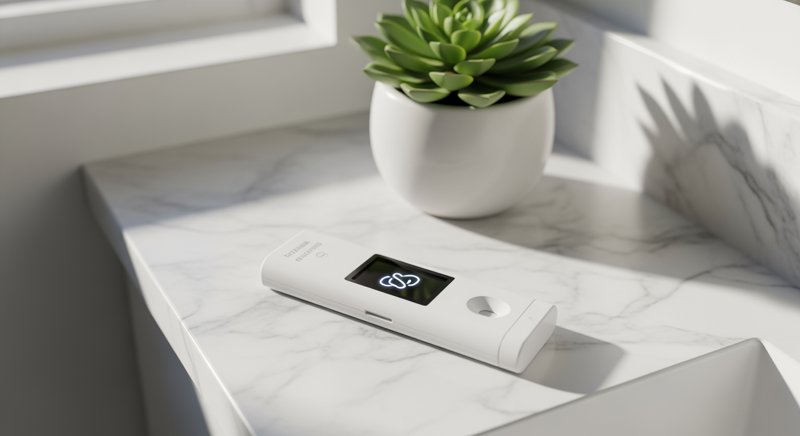
The COVID-19 pandemic transformed at-home medical testing from a niche market into a mainstream phenomenon. Pharmacy shelves are now stocked with kits promising instant verdicts on everything from pregnancy and blood sugar to vitamin deficiencies and even cancer markers.
On one hand, this is revolutionary. Medicine is entering our homes, offering immediate answers to pressing health questions. On the other, it’s a minefield of potential errors, over-diagnosis, and needless panic. Where is the line between a convenient tool and a generator of health anxiety? Let’s break down which at-home tests are genuinely useful, how they work, and what to do with the results.
How At-Home Tests Work
Most rapid tests, like those for pregnancy or infectious diseases, use a technology called immunochromatographic assay. It sounds complex, but you know the principle: antibodies embedded in a test strip “catch” a specific substance (like a hormone or viral antigen) in a fluid sample. This triggers a chemical reaction, creating the visible test line.
It’s a simple, fast, and relatively reliable method for specific, binary questions (“yes/no”). The key thing to remember is that these are primarily qualitative tests. They tell you if something is present, but rarely provide the precise quantitative measurement you’d get from a full laboratory analysis.
The Gold Standard: The Glucometer
The glucose meter is the most vital and well-established home medical device. For individuals with diabetes, it’s an indispensable tool for daily self-management, allowing for real-time adjustments to insulin, diet, and activity. It provides immediate feedback on how the body is responding to different variables, empowering patients to take control of their condition and prevent long-term complications.
Infectious Diseases: From COVID-19 to HIV
This category of tests demands the most responsibility from the user.
- COVID-19 & Flu Antigen Tests: These are excellent tools for rapid triage. A positive test allows you to make responsible decisions: isolate yourself, protect vulnerable family members, and prevent further spread. However, the FDA and CDC emphasize a critical point: sensitivity is not 100%. A negative test, especially if you have symptoms, does not definitively rule out an infection. The viral load may simply be too low to detect. For this reason, the FDA recommends repeat testing after 48 hours to increase accuracy.
- HIV & Hepatitis Tests: The availability of anonymous, at-home screening for HIV is a massive public health victory. But there are crucial caveats:
- It’s a Screening, Not a Diagnosis: Any positive result from an at-home test is considered preliminary. It must be confirmed with more accurate laboratory methods at a specialized clinic.
- The “Window Period”: It takes time for the body to produce detectable antibodies after an infection. A negative result a week after a potential exposure is meaningless. The window period can be up to three months.
The Gray Area: At-Home Tests for Cholesterol, Ferritin, & Vitamin D
The market is expanding to include tests for various blood biomarkers. These typically require a finger-prick blood sample. Here, we enter murky territory.
The problem isn’t necessarily the accuracy (though it can be less reliable than lab testing), but the clinical uselessness of an isolated data point.
Imagine you get a single number for your total cholesterol. What does it tell you? Almost nothing. Without the full lipid panel (LDL, HDL, triglycerides), and without the context of your blood pressure, family history, and other risk factors, the number is just noise. The same is true for ferritin (iron stores) or Vitamin D. A low ferritin level, for example, could be a sign of iron deficiency or hypothyroidism.
The Danger Zone: At-Home Cancer Marker Tests
Now for something you should never do: use at-home tests for cancer markers (like PSA or CA-125) to “screen for cancer.”
The FDA is unequivocal on this point. Cancer markers are not screening tools for the general population. Here’s why:
- Low Specificity: These markers can be elevated for dozens of reasons unrelated to cancer. PSA can rise due to inflammation or even a recent bike ride. This leads to a high rate of false positives.
- Risk of Over-diagnosis and Anxiety: A false positive result can trigger a cascade of unnecessary, expensive, and invasive procedures, causing immense psychological distress.
- False Reassurance: A normal marker level does not rule out cancer. Many early-stage cancers do not produce elevated markers.
Cancer markers are tools for oncologists to monitor treatment effectiveness in patients already diagnosed with cancer, not for healthy people to look for it.
Conclusion: A Tool, Not a Doctor
At-home tests are powerful when used correctly: for managing a known condition like diabetes, or answering a specific question like “Am I pregnant?” or “Do I have COVID-19 right now?”
But they cannot replace a comprehensive diagnosis from a healthcare professional. A test result is a single data point, not the full picture. Your health is a complex system, and understanding it requires connecting the dots between lab results, symptoms, and your personal medical history. As of early 2026, the FDA has cleared several new at-home multi-analyte panels that test multiple biomarkers from a single finger-prick sample, improving convenience but not eliminating the need for professional interpretation.