💀 Death by 'Natural' Cure: A Case Study on Fatal Selenium Overdose
Let’s talk about what happens when fear, Google, and a belief in the “healing power of nature” combine into a deadly cocktail.
Imagine you get a lab result, and one marker is flagged as high. The modern reflex? Go online. Instantly, you’re hit with an avalanche of information from forums, “nutritionist” blogs, and clickbait articles. Anxiety builds, and soon you find a “simple and natural” solution. You think you’ve found a cure.
This is the exact path a 75-year-old man in Australia followed. His story, published in The Medical Journal of Australia, is a tragic and vital lesson on the fine line between being an informed patient and a victim of self-treatment.
The Patient, the Panic, and the Search Bar
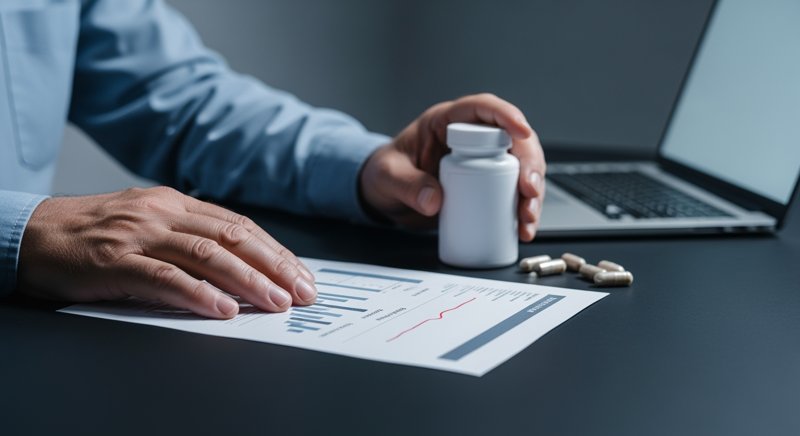
It all started with a single lab test: an elevated PSA (prostate-specific antigen) level. For an older man, this is a major red flag for prostate cancer.
Here, the first mistake was made. Instead of waiting for follow-up tests and a consultation with a urologist to confirm a diagnosis, the man dove into his own research. The internet readily supplied an “answer.” Thousands of websites touted the miraculous benefits of selenium for preventing and treating prostate cancer. It sounded convincing. So convincing that he went to two different pharmacies and purchased selenium tablets and—critically—a powder of sodium selenite.
He believed he had found his medicine. In reality, he had just brought home his own death sentence.
The Dose Makes the Poison: A Mathematical Catastrophe
Let’s be clear: selenium is not an exotic poison. It’s a vital trace mineral essential for our antioxidant defense systems, thyroid function, and immunity. The recommended daily intake for an adult is about 55-70 micrograms (mcg). The safe upper limit is considered 400 mcg per day.
Our hero, determined to launch an all-out assault on his potential cancer, ingested 10 grams (g) of the sodium selenite powder.
Let’s do the math to grasp the scale of this overdose. 1 gram = 1,000,000 micrograms. 10 grams = 10,000,000 mcg.
Ten million micrograms.
This is about 25,000 times the maximum safe daily dose. This is a dose that doesn’t heal; it instantly transforms an essential nutrient into a potent cellular poison. To make matters worse, the sodium selenite powder he consumed is primarily used in Australia as a feed supplement for livestock in selenium-deficient areas. He had ingested a veterinary-grade chemical at a monstrous concentration.
A 6-Hour Timeline from “Cure” to Cardiac Arrest
The events unfolded with terrifying speed.
- 3.5 hours post-ingestion: He arrives at the ER with intractable vomiting, diarrhea, and severe abdominal pain. His blood pressure is critically low, signaling the onset of shock.
- ER Labs: Blood tests reveal severe metabolic acidosis (the blood has become dangerously acidic), low potassium, and a staggering selenium level—dozens of times the upper limit of normal.
- ICU Transfer: He is moved to intensive care. Doctors start IV fluids and heart-stimulating drugs, but his blood pressure remains dangerously low.
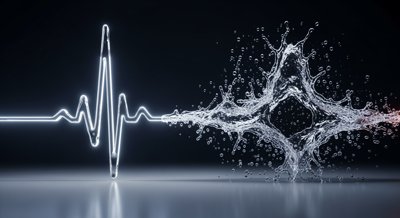
- 5 hours post-ingestion: His heart rhythm deteriorates into ventricular tachycardia, a chaotic, ineffective beating that cannot sustain life.
- Cardiac Arrest: Despite all efforts, the rhythm degrades to asystole—a flat line. About 6 hours after taking the “natural” supplement, the man was dead.
Why Selenium Kills: A Biochemical Explanation
How does an essential nutrient become a killer? In massive doses, selenium chemically impersonates sulfur, a cornerstone element in countless proteins and enzymes. It gets incorporated into critical enzymes, particularly those involved in cellular energy production, but creates a “faulty” version. This shuts down the cell’s ability to produce energy, leading to widespread cell death, organ failure, shock, and fatal cardiac arrhythmias. The poison was already integrated into the machinery of his cells, making it impossible to remove.
“But It’s Natural!” The Great Supplement Myth
This story is a brutal reminder: “natural” does not equal “safe.”
The dietary supplement industry is not regulated with the same rigor as the pharmaceutical industry. Under laws like the DSHEA in the U.S., companies can sell products without pre-market proof of safety, purity, or effectiveness. This leaves the consumer vulnerable.
How to Avoid Becoming a Case Study
- One Lab Test is Not a Diagnosis. Never act on a single out-of-range lab result. It requires confirmation and, most importantly, interpretation by a qualified doctor.
- The Internet is a Library, Not a Physician. Use it to prepare for your doctor’s visit, not to self-diagnose or prescribe your own treatment.
- Question Your Sources. Is the information from a reputable medical institution or a blog selling a product? Look for evidence-based sources.
- Remember the Mantra: “Natural ≠ Safe.” Any substance that has a biological effect can also have a toxic one.
- Supplements Are Not Candy. Only take vitamins and minerals after consulting a doctor, ideally based on lab tests confirming a deficiency.
Trust your health to professionals. Sometimes, it is truly a matter of life and death. As of early 2026, regulatory scrutiny of high-dose mineral supplements has intensified, with the FDA issuing new warning letters to manufacturers selling selenium products above 200 mcg per serving without adequate safety labeling.